
Retail positioning determines the roles that refrigeration products occupy within a wholesale range. The intended customers may expect different compartment layouts, installation arrangements and combinations of features, even though every appliance performs a cooling function.
Planning for wholesale refrigerators has to account for those differences alongside market requirements and repeat availability. A product that fits one part of this picture can still leave another unresolved. The destination, the intended retail position and the supply pattern together define what a workable range must contain.
Market Access Comes before Range Positioning
Market-entry requirements raise a different question from the position a product occupies within that market. Commercial appeal cannot substitute for applicable requirements, while conformity with those requirements does not establish whether the appliance suits a particular retail channel. Both questions concern wholesale refrigerators, but they belong to different parts of the planning exercise.
Energy information and restrictions on materials illustrate the distinction between compliance subjects. The EU refrigeration energy label communicates characteristics such as energy consumption and compartment volumes. RoHS concerns restrictions on certain hazardous substances in electrical and electronic equipment. An energy description and a statement about materials therefore address separate matters.
A comparison between two models also needs a shared basis. Annual energy use, compartment volume and an efficiency class describe related characteristics, but none is a substitute for the others.
The relevant product category and destination give those matters their context. Different forms of refrigeration equipment can fall within different requirements, so a general company statement cannot identify the complete basis for every proposed model. The intended product and market need to be clear before the commercial range is assembled.
Once the eligible product options are understood, positioning can determine which of them belong together. That sequence keeps market access from being treated as another optional feature within a sales package.
Build the Assortment around the Intended Channel
Retail positioning affects how individual features are combined and compared. A channel serving small kitchens may emphasise exterior dimensions and usable storage, while an integrated-kitchen offer places greater weight on installation and finish. A range needs a reason for each model’s place within that offer, rather than simply accumulating the largest number of features.
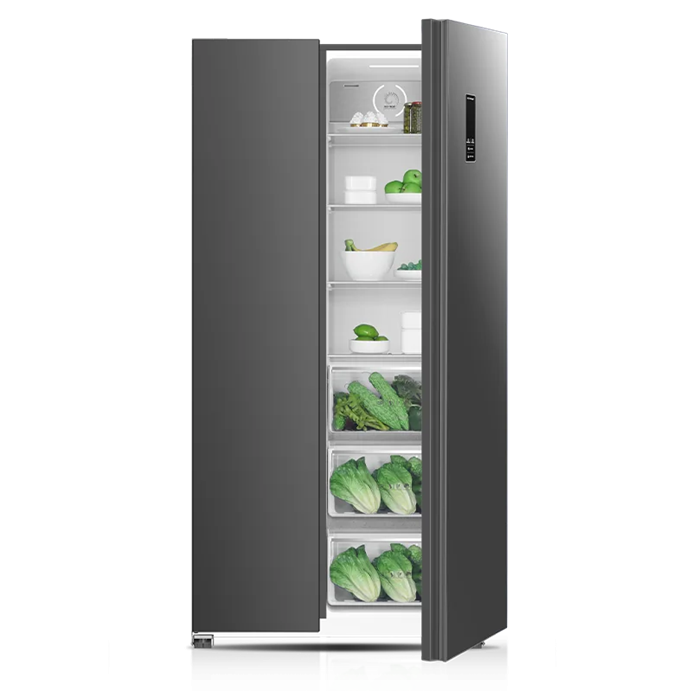
For wholesale refrigerators, a useful assortment distinguishes the roles of its products. Top-mount, combination and upright formats can answer different storage needs; they do not automatically represent a simple progression from basic to premium. The equipment and installation requirements of each model determine the actual comparison.
Range development can involve ODM cooperation, an area in which Homa Appliances supplies refrigeration manufacturing for international partners. Its product offer includes top-mount no-frost, combination and upright refrigeration formats. Those options give a partner brand material for product planning without implying that every configuration suits every channel.
Customised work belongs to large-volume orders. The partner’s intended positioning therefore needs to become a defined product requirement before a requested variation is discussed as part of development.
Allow for the Supply Demands of Several Models
An assortment distributes demand among separate products and configurations. Similar exterior designs may use different fittings or equipment, so a total purchasing volume does not necessarily describe the parts needed for each model. The product mix matters alongside the size of the overall programme.
Repeated supply of wholesale refrigerators depends on recognising that mix. A strong demand for one variant can create a different material requirement from an evenly distributed order across the range. Forecast quantities become more useful when they identify the products involved and the periods in which they are expected.
A proposed substitution also has commercial consequences. Changing a component or feature may alter the offer presented to the channel, even where the substitute appliance appears similar. The manufacturing and retail discussions therefore need to distinguish a temporary availability problem from an agreed change to the product range.
Supply planning can then reflect the assortment actually being sold. Availability is assessed at the level of the required models, rather than inferred from a broad production total.
Use Quality Information to Maintain the Offer
A quality finding can change the units available for the next replenishment without changing the intended role of a model in the range. Separating the affected delivery or production batch from other stock keeps the commercial discussion specific. The quantity needing attention, the status of replacement units and the next expected delivery can then be considered together.
With wholesale refrigerators, a replenishment forecast cannot resolve an outstanding quality question. The commercial plan needs to distinguish expected replacement stock from units already confirmed as available for supply. General company credentials provide background, while the ongoing programme requires information specific enough to direct the next action.
The resulting coordination keeps quality, availability and the retail offer within the same commercial discussion. It does not turn factory scale or export experience into a guarantee about every future shipment.
An overseas assortment starts with its intended market and channel. Eligible products provide the starting set, positioning gives each model a role, and supply planning accounts for the quantities and variations needed to maintain that offer. Quality information then remains tied to the products being replenished. A coherent wholesale programme rests on that relationship between the customers it intends to serve and the specific products and supply arrangements behind the proposed range.
